
Vague causes of death
What can we learn from the ill-defined?
By Wouter Ronsijn
On 8 September 2022, Elizabeth II died at the age of 96. Her death certificate listed the cause simply as “old age.” Today, such a diagnosis is unusual. Modern medicine aims to identify the underlying disease or condition that caused a person’s death, whether it is heart disease, cancer, an infection, or a stroke.
A century and a half ago, however, Belgian death registers were filled with similarly vague causes such as convulsions, fever, sudden death, or simply unknown.
At first sight, these imprecise diagnoses may seem to have little value. Yet they tell an important story. They reveal how medical knowledge evolved, who had access to an accurate diagnosis, and how the recording of deaths gradually became an essential tool for understanding and improving public health.
Image: At the Deathbed, Edvard Munch, 1895 (© Public Domain)
What are unclear causes of death?
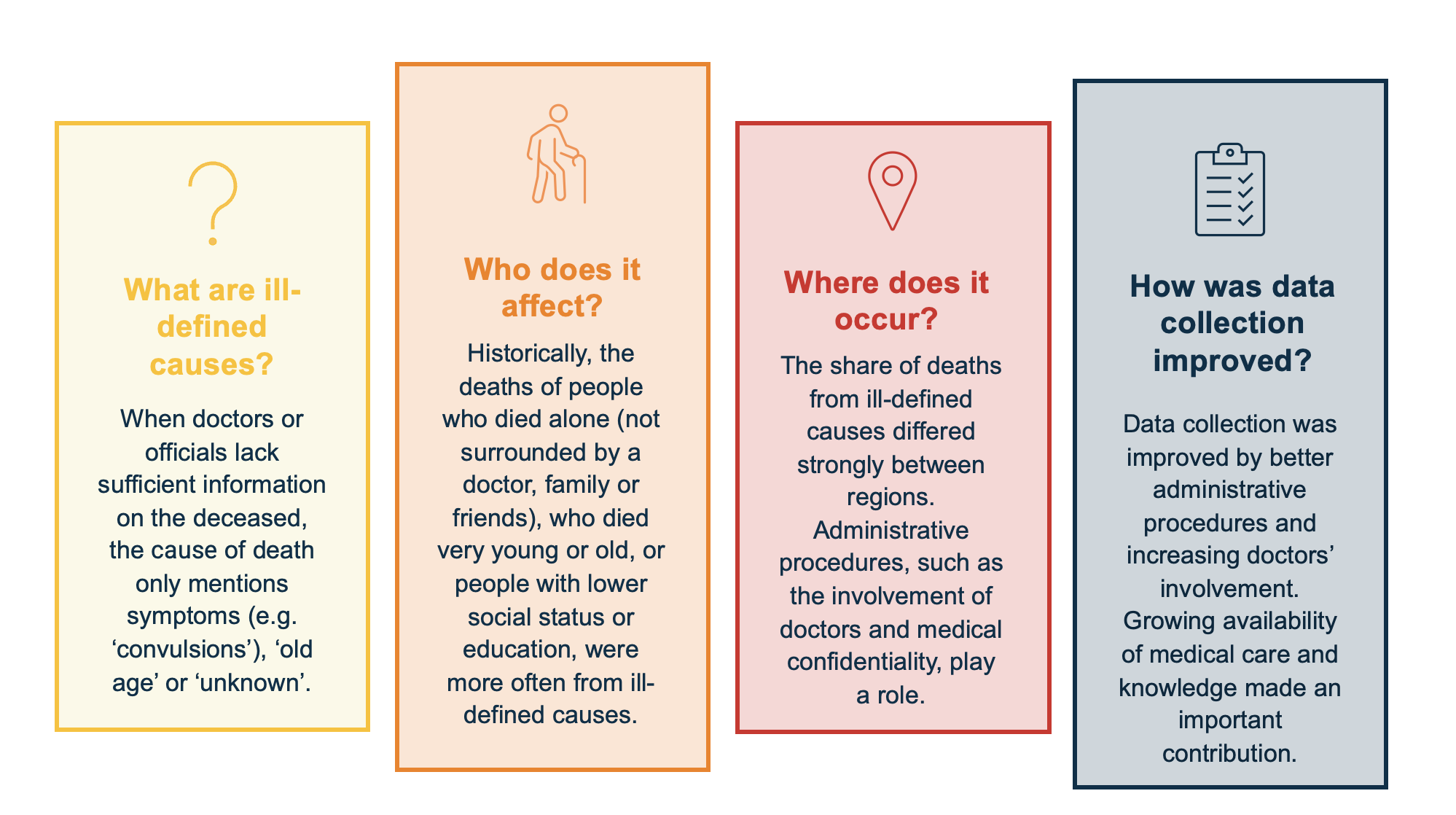
What are ill-defined causes?
When doctors or officials lacked sufficient information on the deceased, the cause of death only mentioned symptoms (e.g. ‘convulsions’), ‘old age’ or ‘unknown’.
Who does it affect?
Historically, the deaths of people who died alone (not surrounded by a doctor, family or friends), who died very young or old, or people with lower social status or education, were more often reported as dying from ill-defined causes.
Where does it occur?
The share of deaths from ill-defined causes differed strongly between regions. Administrative procedures, such as the involvement of doctors and medical confidentiality, played a role.
How was data collection improved?
Data collection was improved by better administrative procedures and increasing doctors’ involvement. Growing availability of medical care and knowledge, and confidential data collection made an important contribution.
Vague causes of death describe a symptom of a disease, or the way in which someone died, but not the underlying condition that ultimately caused death. Yet every death has a cause—a disease, injury, or event that brings a person’s life to an end. That cause may be natural, such as cancer or heart disease, or external, such as an accident or violence. Understanding these causes has long been essential for governments. Only by knowing what people die from can they identify health priorities and develop effective public health policies.
Determining the precise cause of death, however, has never been straightforward. It requires both reliable information about the deceased and sufficient medical knowledge to distinguish between different diseases—conditions that were often lacking in the past. When Belgium began collecting national cause-of-death statistics in 1851, many municipalities did not have a resident physician. Instead, causes of death were frequently based on information provided by relatives or neighbours, or were determined by local officials such as police officers.
Figure 1: The Antwerp cause-of-death register contains vague terms such as 'convulsions' and 'décrépitude'

Figure 2: Old age was often written down as a cause of death

Even when doctors were involved, identifying the cause of death was often difficult. Laboratory tests, X-rays, and many other diagnostic tools did not yet exist, while medical knowledge itself was still developing. Some physicians also refused to disclose causes of death because they believed doing so would violate patient confidentiality. In other cases, diseases such as syphilis or cancer carried a social stigma, leading doctors to record a more general or less sensitive diagnosis instead.
As a result, many deaths were registered with ill-defined or unknown causes. Ill-defined causes included symptoms rather than diseases—such as convulsions, dropsy, or fever—or broad terms like old age, natural causes, or sudden death. In some cases, the register simply stated that the cause of death could not be determined.
Over time, the quality of death registration improved considerably. Better cooperation between physicians and local authorities, advances in medical knowledge, and new diagnostic techniques all made it easier to identify the diseases that caused death. The introduction of the International Classification of Diseases in 1900 provided a standardised system for recording causes of death, while the gradual introduction of confidential cause-of-death certification across Belgium between 1930 and 1960 encouraged doctors to report diagnoses more accurately.
A brief history
Belgium’s system for recording causes of death was born out of crisis. After the devastating cholera epidemic of 1849, the government introduced a nationwide registration system in 1851. From then on, every municipality was required to record the cause of each death and submit annual reports to the National Statistical Committee in Brussels.
In its early years, however, the system was far from complete. Many municipalities failed to submit reports, while others recorded large numbers of deaths using vague or ill-defined causes. Instead of identifying a specific disease, registers often listed symptoms, broad terms such as old age or sudden death, or simply stated that the cause was unknown.
It was not until 1861 that all Belgian municipalities were consistently submitting annual cause-of-death reports. Even then, another challenge remained. Doctors and local officials used a wide variety of medical terms, written in French, Dutch, and Latin. Many of these terms overlapped or were ambiguous, making it difficult to compile reliable national statistics.
To improve consistency, Belgium introduced its first standard list of causes of death in 1867 (Figure 3). It contained 116 standardised diagnoses, helping municipalities record deaths in a more uniform way. In 1871, the list was simplified to 33 broader categories. A further milestone came in 1903, when Belgium adopted the first International Classification of Diseases, bringing its mortality statistics into line with an international standard and greatly improving the comparability of cause-of-death data over time and across countries.
Figure 3: Standardised list of causes of death, 1867

The quality of cause-of-death registration depended heavily on the involvement of doctors. In municipalities without a resident physician, the cause of death was often reported by relatives, neighbours, or friends. Doctors, by contrast, were much better equipped to identify diseases accurately. To improve the reliability of mortality statistics, several Belgian cities appointed physicians to verify causes of death or required a medical certificate before a burial could take place. Many rural municipalities, however, lacked the financial resources to employ doctors, leaving important gaps in the system.
Medical confidentiality presented another challenge that persisted well into the 20th century. Physicians had to balance their duty to report the cause of death with their obligation to protect patient privacy. To resolve this dilemma, the National Health Inspection introduced anonymous cause-of-death certificates in East Flanders in 1930. Antwerp followed in 1949, and the system was gradually adopted across the rest of Belgium during the 1950s.
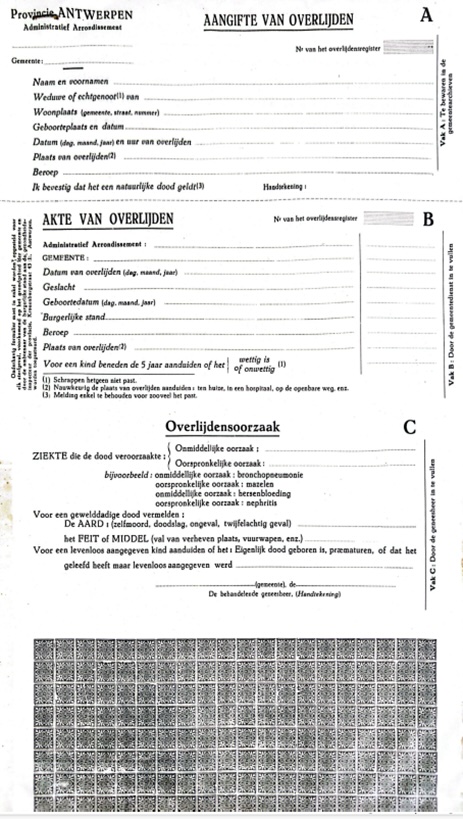
On these new certificates, the section containing the medical cause of death (Section C) was sealed (Figure 4) and kept separate from the deceased person’s identity. It was opened only later by the National Statistical Committee, ensuring that the diagnosis could not be directly linked to an individual. This protected patient confidentiality while allowing physicians to report causes of death more accurately.
The introduction of confidential reporting improved the quality of mortality statistics. Doctors became more willing to record diseases that had previously been hidden behind vague terms such as old age because of social stigma, including conditions such as cancer or syphilis. At the same time, confidential reporting also made physicians more comfortable acknowledging uncertainty. Rather than guessing a diagnosis, they were more likely to record that the cause of death was unknown or could not be determined. As a result, although the use of vague labels such as old age declined, the proportion of deaths attributed to unknown or symptom-based causes remained relatively stable.
Figure 4: Cause of death bulletin with section C for anonymous registration
Trends over time
When Belgium began publishing national cause-of-death statistics, one feature stood out immediately: a surprisingly large share of deaths had no clear medical diagnosis. As shown in Figure 5, more than 40% of all deaths in the first years of registration were attributed to old age, ill-defined causes, or unknown causes.
This proportion declined rapidly during the 1850s and 1860s, mainly because fewer deaths were recorded without any cause at all. More municipalities began submitting complete reports, and within those municipalities an increasing number of deaths received a medical diagnosis. As a result, the share of deaths attributed to ill-defined or unknown causes fell from around 17.5% in the early 1850s to about 6% by the late 1860s.
For most of the 20th century, this proportion remained relatively stable at around 5–6%, indicating that cause-of-death registration had become much more reliable.
The two World Wars were important exceptions. During the World War I, Belgium did not collect national cause-of-death statistics, although some local records have survived. During the World War II, the quality of the data also deteriorated. In 1940 and 1944, more than 15% of all deaths were assigned an ill-defined cause.
Figure 5: Deaths from old age and from other ill-defined or unknown causes in Belgium, ca. 1850-2000
Source: Documents statistiques and Annuaire statistique, 1851-1887; State Archives Brussels, Mouvement de la population, 1888-1959; STATBEL, 1960-1997; calculations by the author. Note: There is no information on the number of deaths from ill-defined causes from 1870 to 1887. Deaths attributed to ‘old age’ were not listed separately from 1870 to 1902.
Many of these deaths were probably related to the violence of war (Figure 6). Historical records show that the increase in ill-defined causes was much greater than the number of deaths officially classified as violent. In many cases, it would have been clear that a person had died because of warfare, but the exact medical cause—such as burns, suffocation, crushing injuries, or wounds—could not always be determined. At the same time, doctors and local authorities were perhaps often overwhelmed by the large number of casualties and had little opportunity to establish a precise diagnosis before the dead had to be buried.
These fluctuations remind us that mortality statistics reflect not only patterns of disease but also the circumstances in which deaths are recorded. Periods of crisis can affect the quality of the data just as much as they affect mortality itself.
Figure 6: Funeral procession during WWII, burying victims of a bomb blast

Photograph by unknown author, 11 November 1944 (source: Felixarchief Antwerp).
During the 1850s and 1860s, around 7.5% of all deaths in Belgium were attributed simply to old age. This proportion gradually increased to about 10% during the first half of the 20th century before falling sharply in the 1950s. The decline coincided with the introduction of confidential cause-of-death certificates, first in East Flanders in 1930, then in Antwerp in 1949, and later throughout the rest of the country. By around 1960, fewer than 2.5% of deaths were recorded as due to old age in most years.
The earliest national statistics also contained a large category of deaths attributed to symptoms or incomplete causes, accounting for between 15% and 17.5% of all deaths. Many of these were recorded as convulsions, dropsy, apoplexy, or complications of childbirth—terms that often described symptoms rather than the underlying disease. After 1869, these individual categories disappeared from the national reports. Some were reassigned to well-defined diseases, while others were grouped under the broader heading of ill-defined causes.
By the late 1990s, Belgium had reached its highest level of diagnostic precision. In 1997, fewer than 3% of all deaths were attributed to ill-defined causes, including old age and symptom-based diagnoses.
More recently, however, this proportion has increased again. The share of deaths assigned to ill-defined causes rose from around 5% in 2010 to almost 9% in 2023. This increase does not necessarily indicate a decline in medical knowledge. Rather, it illustrates that cause-of-death registration continues to evolve and that changes in medical practice and certification procedures can influence mortality statistics over time.
From strong regional differences to national uniformity
Deaths attributed to old age, ill-defined causes, and unknown causes occurred throughout Belgium, but their frequency varied considerably from one district to another.
Deaths recorded as old age were particularly common in southern Belgium. These districts generally had lower birth rates and older populations, meaning that more people died at advanced ages. High proportions of old-age deaths were also found in parts of Limburg and West Flanders, where relatively few physicians were available to certify deaths accurately.
The geographical pattern of unknown causes was less straightforward. In 1890, high proportions were recorded in industrial districts such as Liège, Borinage, and Kortrijk, while other large industrial centres, including Ghent and Antwerp, recorded much lower levels. This suggests that local medical and administrative practices were often more important than population density or industrialisation alone.
Before 1950, the differences between districts were striking. In places such as Marche-en-Famenne and Bastogne, as many as 25–30% of all deaths were attributed to old age, whereas in districts such as Antwerp and Brussels, the proportion was closer to 5%.
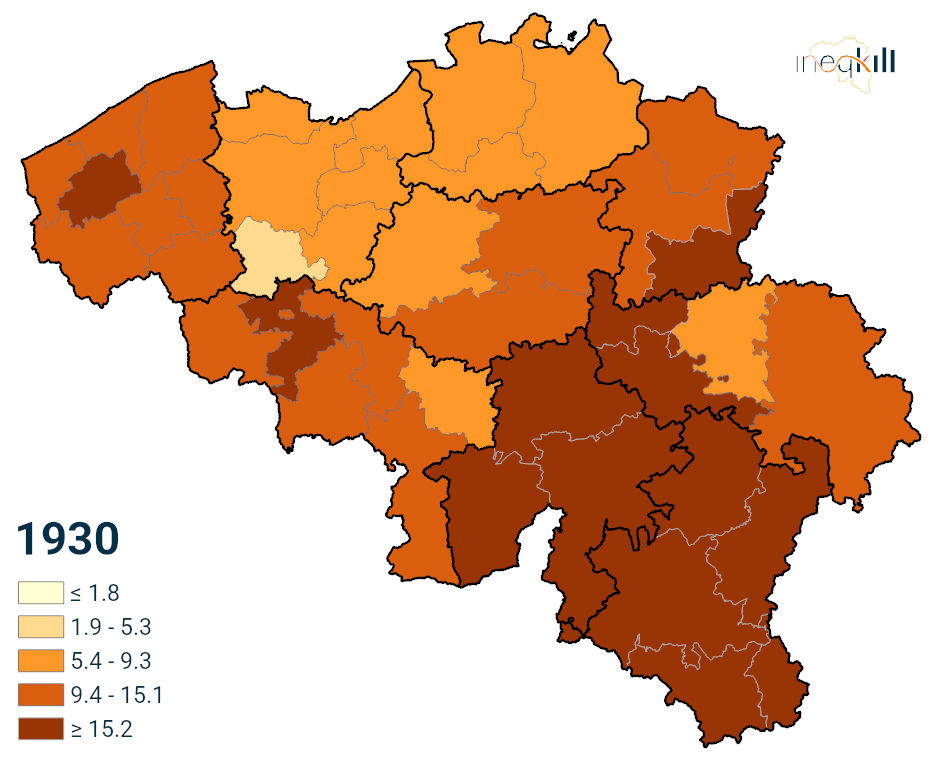
Similar contrasts existed for other ill-defined and unknown causes. Between 1890 and 1930, districts such as Eeklo and Thuin recorded up to 20% of deaths under these broad categories, while districts such as Philippeville and Virton recorded almost none.
Patterns in deaths from unknown causes are less clear. In 1890, we find many deaths from unknown causes in Liège, Mons (the Borinage) and Kortrijk, all densely populated industrial areas. Yet other densely populated and/or industrial areas (Ghent, Antwerp) had much lower rates.
These regional differences became much smaller over time. By 1970, after confidential cause-of-death certification had been introduced throughout Belgium, the proportion of ill-defined causes had fallen substantially in most districts, often to below 10%. This convergence reflects major improvements in medical diagnosis, data collection, and the standardisation of death registration across the country.
Deaths from ill-defined or unknown causes (excl. old age), 1890-1990 (percent of all deaths)
Figure 7: Old age
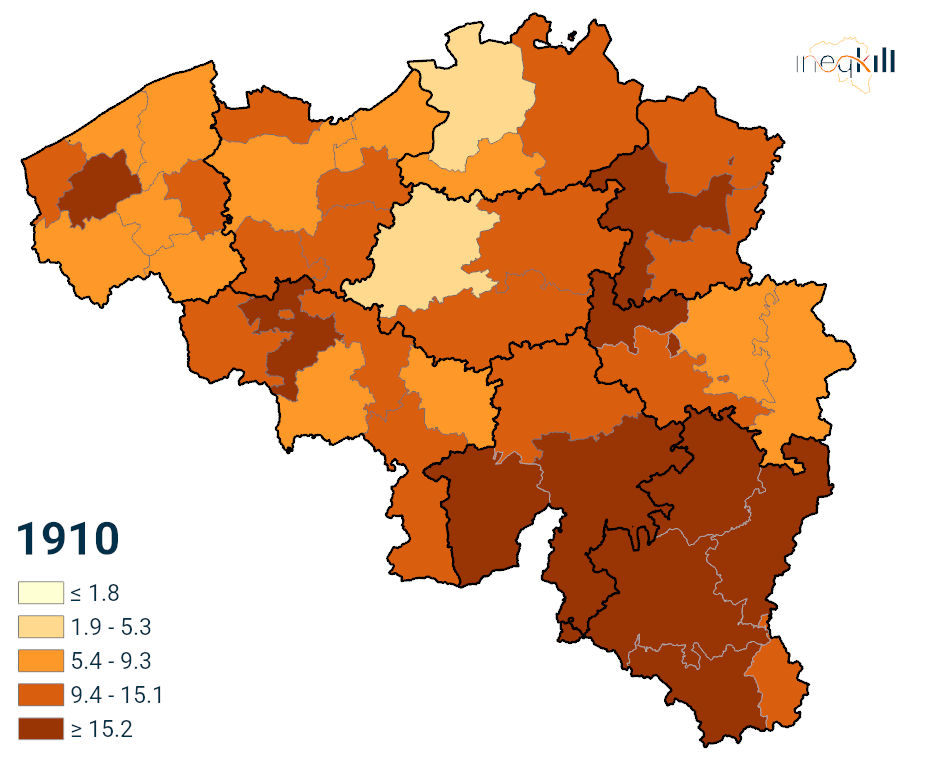
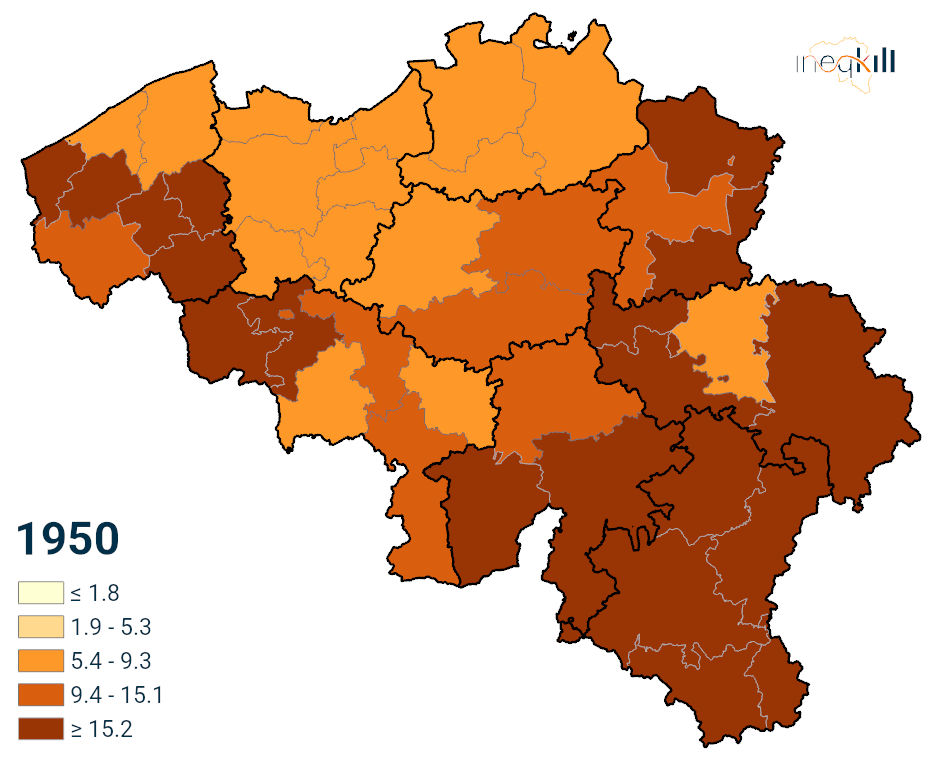
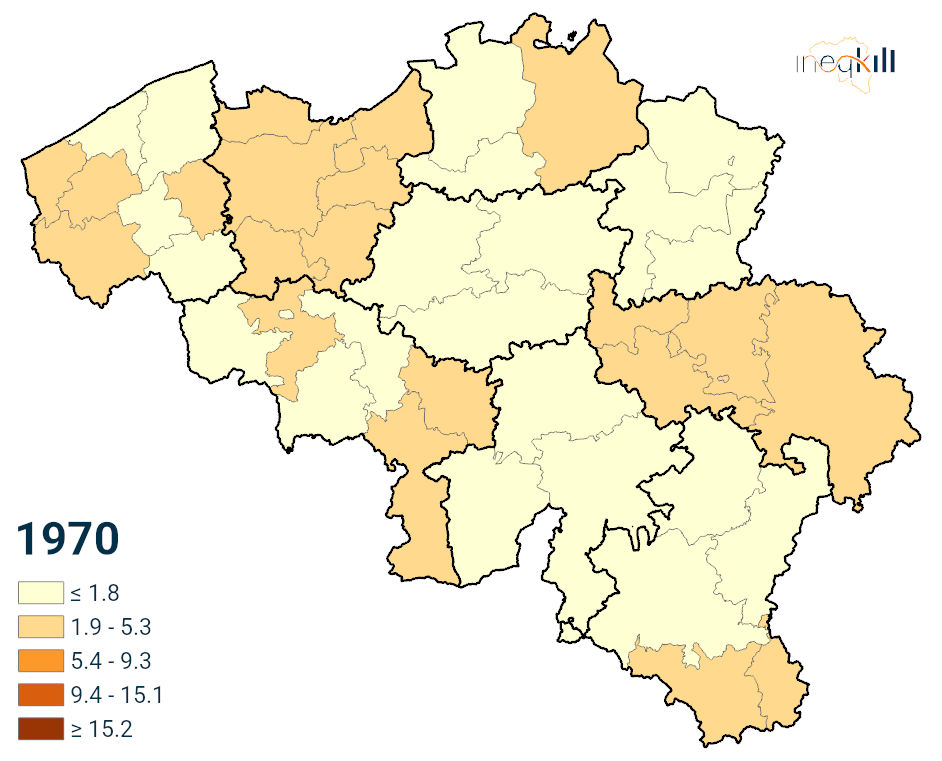
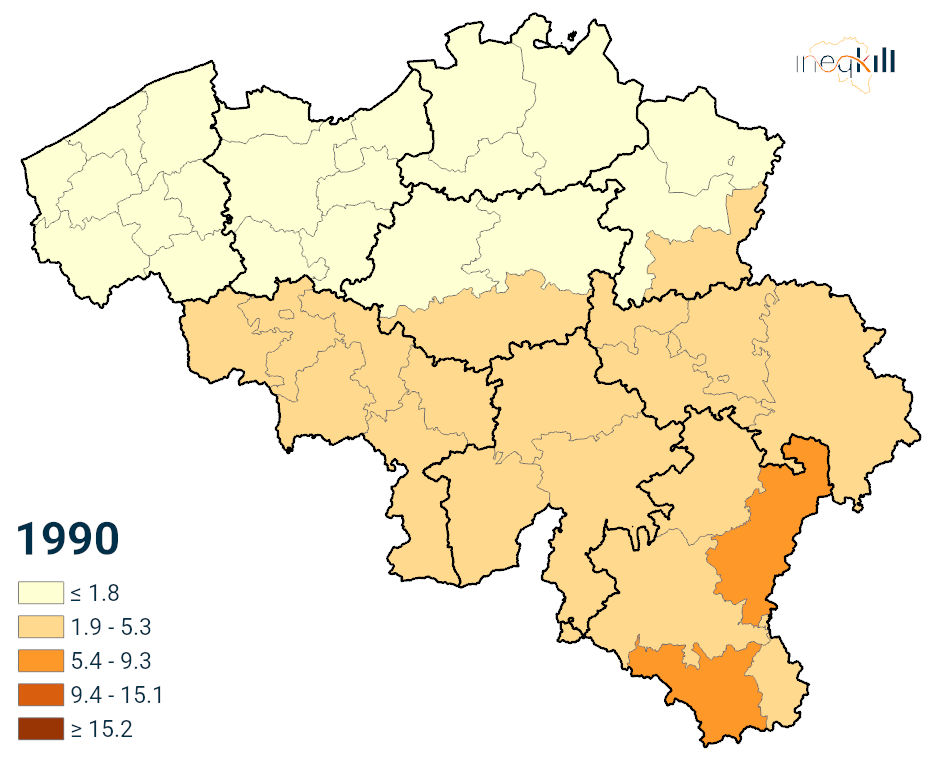
Deaths from old age, 1910-1990 (percent of all deaths). Source: Quetelet Center, Database HISSTER, 1890-1950; STATBEL, 1970-1990; calculations by the author.
Figure 8: Ill-defined or unknown causes
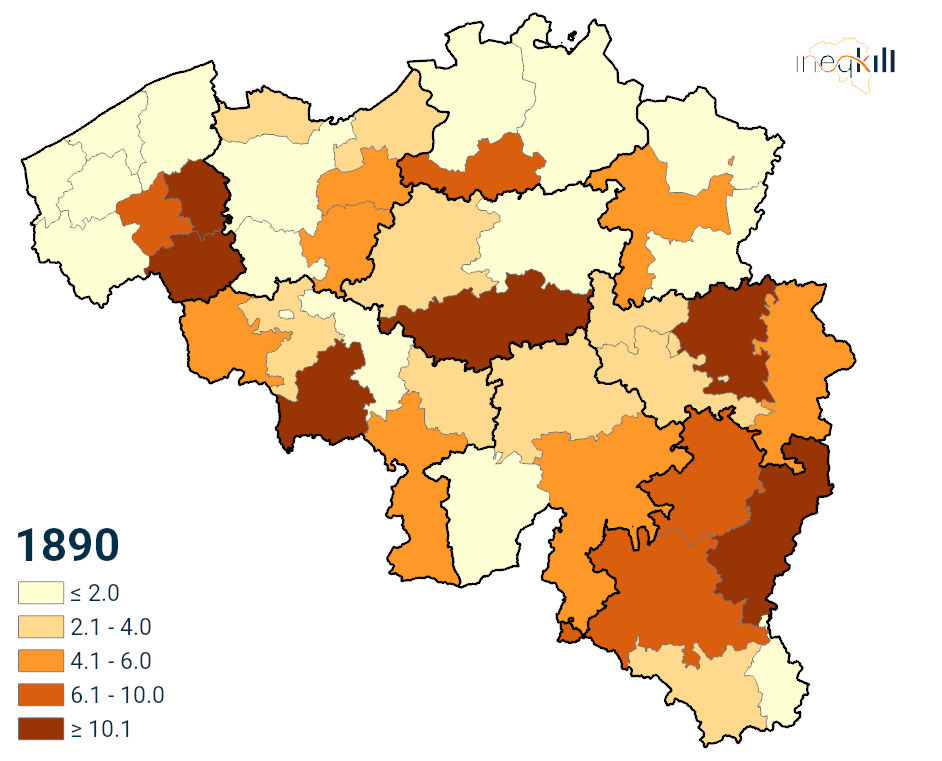
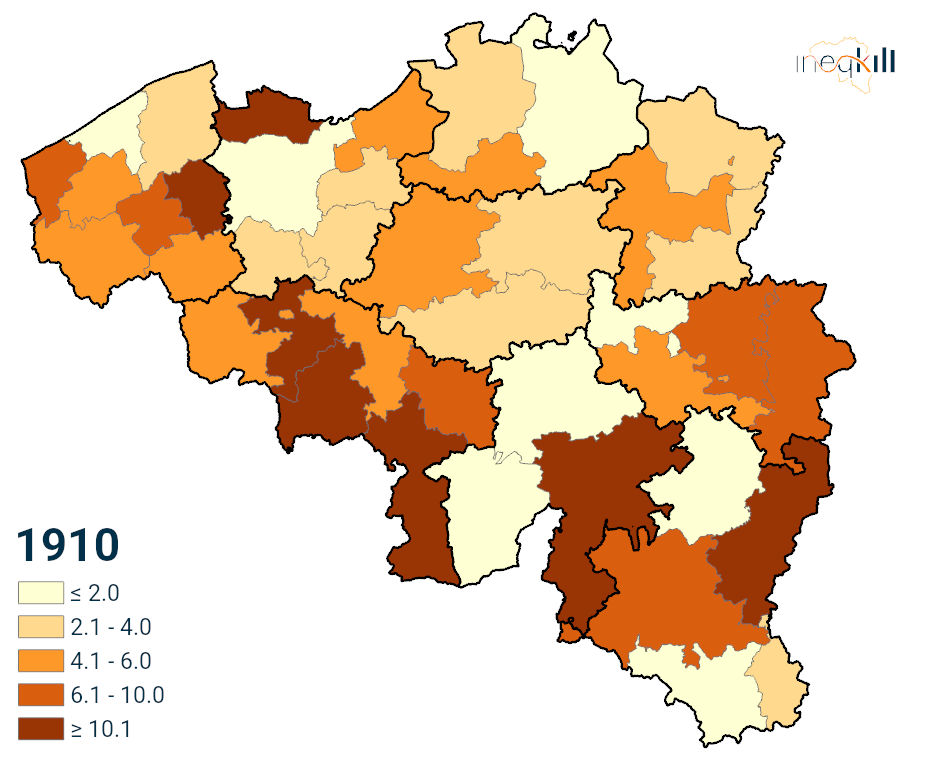
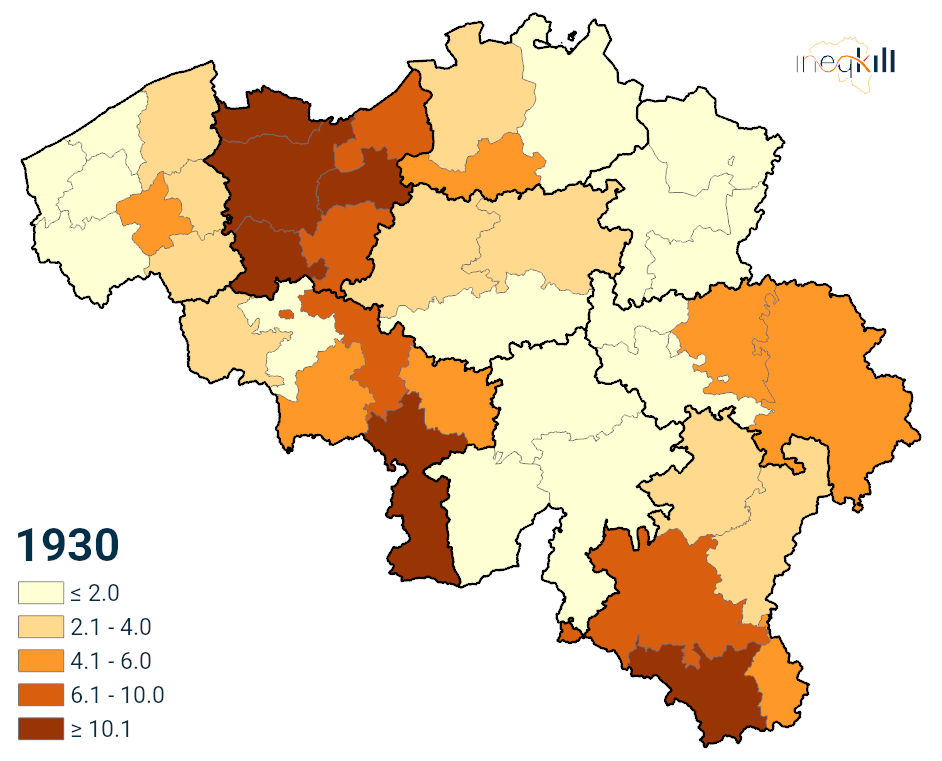
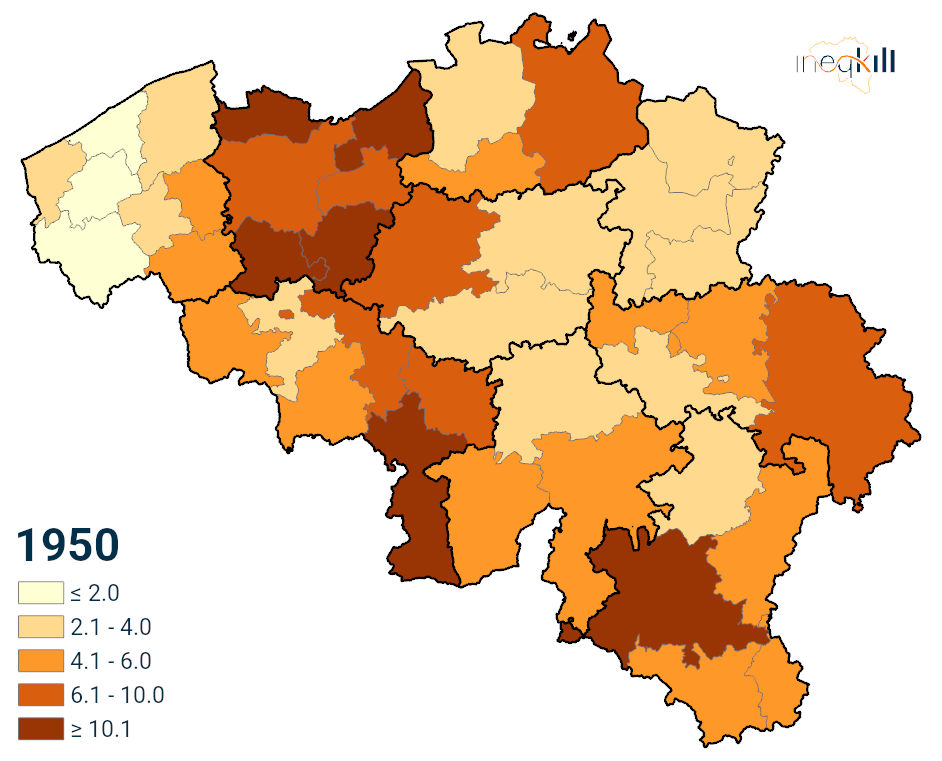
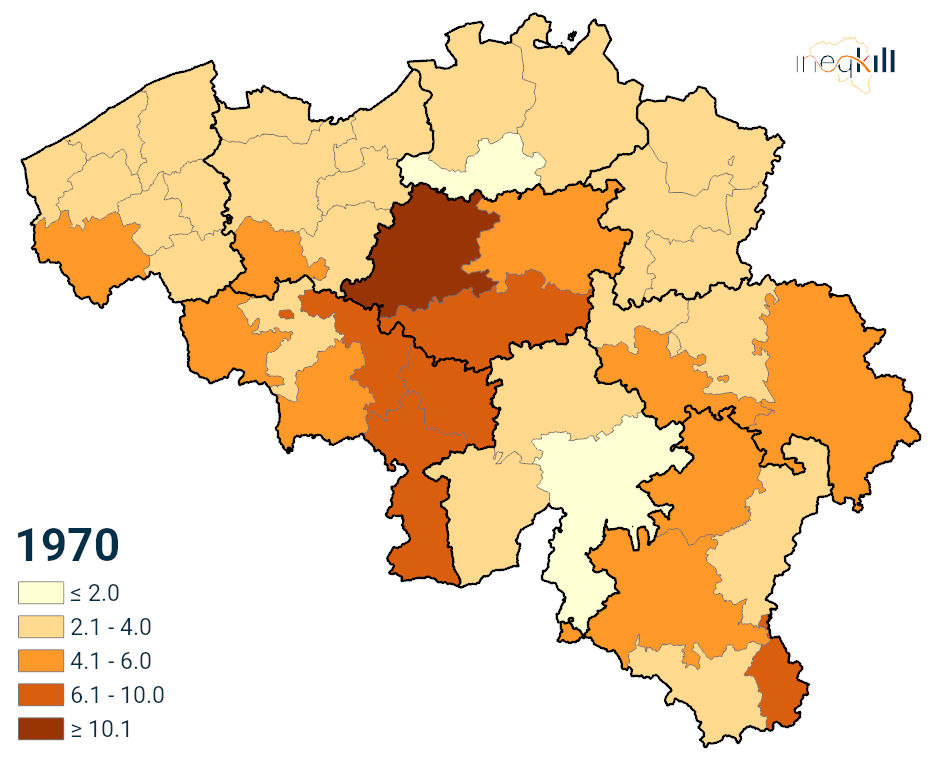
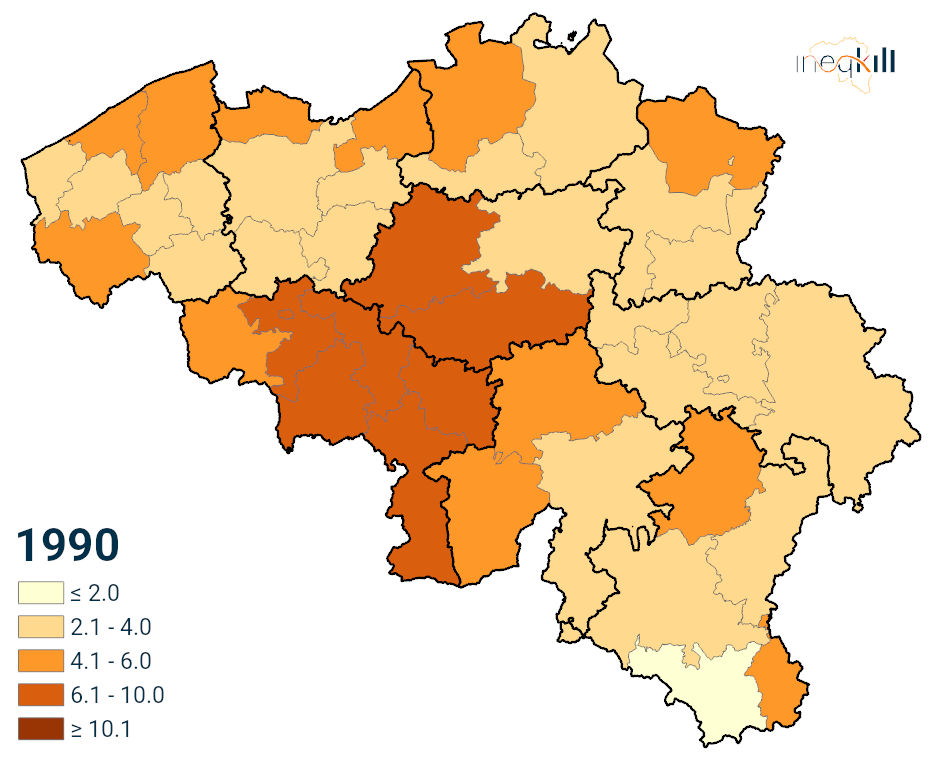
Deaths from ill-defined or unknown causes, 1910-1990 (percent of all deaths). Source: Quetelet Center, Database HISSTER, 1890-1950; STATBEL, 1970-1990; calculations by the author.
Who died of ‘unknown’ or ‘ill-defined’ causes?
The detailed cause-of-death register of Antwerp makes it possible to look beyond national trends and examine the people whose deaths were recorded with ill-defined causes. Four main groups stand out, each with its own characteristics. These groups are convulsions, old age, causes stated to be unknown, and a group with various other ill-defined causes such as ‘dropsy’, ‘fever’ or ‘nutritional disturbance’. Each group displays distinct characteristics.
The largest group in the 19th century consisted of deaths attributed to convulsions—sudden, uncontrollable muscle spasms that are a symptom rather than a disease. Convulsions can occur in a wide range of illnesses, particularly severe infections that cause diarrhoea, dehydration, or high fever. As medical diagnosis improved, this vague label gradually disappeared and had become rare by the second half of the 20th century.
Deaths recorded as convulsions occurred overwhelmingly among infants and young children. They were more common in poor and working-class families than among the social elite, reflecting the greater burden of childhood infectious diseases and poorer living conditions. Over time, however, these social differences became much smaller. Improvements in sanitation, nutrition, medical care, and disease diagnosis led to a steady decline in deaths recorded as convulsions, until they had virtually disappeared from the mortality statistics by the mid-20th century.
Figure 9: Infants in a nursery in Antwerp, 1877

Source: Felixarchief Antwerp.
Deaths attributed to old age were, unsurprisingly, concentrated among elderly people. They were recorded somewhat more often among women and among people who were unmarried, widowed, or divorced, although these differences were not always pronounced.
The social pattern of old-age deaths changed remarkably over time. Before the mid-19th century, they were recorded more frequently among the social elite. One possible explanation is that the label old age concealed diseases such as cancer or cardiovascular disease, which at that time were relatively more common among wealthier groups.
During the second half of the 19th century, this social difference gradually disappeared and eventually reversed. By the early 20th century, deaths attributed to old age had become more common among unskilled workers. After the mid-20th century, however, this contrast faded as the use of old age as a cause of death declined sharply.
Whereas deaths attributed to convulsions and old age were concentrated at opposite ends of the life course—the very young and the very old—other ill-defined causes showed less distinct age patterns and were more common among middle-aged adults. Deaths registered with an unknown cause occurred somewhat more frequently among people outside the social elite, suggesting that they had less access to medical diagnosis. By contrast, most other ill-defined causes showed little or no clear social pattern.
For more than 150 years, Belgium has recorded why its people die. These records have become an essential tool for understanding the nation’s health and for guiding policies that improve both life expectancy and quality of life.
In the beginning, many deaths were registered with vague or unknown causes. Ill-defined diagnoses were especially common among the very young, the elderly, and people with limited access to medical care. Over time, advances in medical knowledge, greater involvement of physicians, closer cooperation with local authorities, and the introduction of confidential cause-of-death certification greatly improved the accuracy of the data. As a result, geographical differences in registration quality became much smaller.
Yet no registration system is perfect. Today, around one in eleven deaths in Belgium is still recorded with an ill-defined cause. These records remind us that mortality statistics reflect not only disease, but also the limits of medical knowledge and the circumstances in which deaths are investigated. Even today, the final entry in a death register does not always tell the whole story of how a life came to an end.
Read more
- Alter, G., & Carmichael, A. (1996). Studying causes of death in the past: problems and models. Historical Methods: A Journal of Quantitative and Interdisciplinary History,29 (2), 44-48.
- Hacha, T. (2025). Van arts tot ambtenaar: de administratieve praktijk achter het Antwerpse doodsoorzakenregister en de stedelijke sterftestatistieken (1820-1946). HistoriANT: Jaarboek voor Antwerpse Geschiedenis, 13, 69-94.
- Hacha, T. (forthcoming). From death to data: the history of cause-of-death registration in Belgium (1820-1960).
- Velle, K. (1985). Statistiek en sociale politiek: de medische statistiek en het gezondheidsbeleid in België in de 19de eeuw. Belgisch Tijdschrift voor Nieuwste Geschiedenis,16(1-2), 213-242.
- Reid, A., Garrett, E., Dibben C., & Williamson, L. (2015). A confession of ignorance: deaths from old age and deciphering cause-of-death statistics in Scotland, 1855-1949. The History of the Family, 20(3), 320-344. (https://doi.org/10.1080/1081602X.2014.1001768).
Data sources
- Documents statistiques de la Belgique, 1851-1867.
- Annuaire statistique de la Belgique, 1868-1869.
- State Archives Brussels, Mouvement de la population et de l’état civil, 1888-1959.
- STATBEL, DEMOBEL and Mortality Databases, 1961-1997.
- Ghent University – Quetelet center, Databases HISSTER and LOKSTAT.