
The rise of cancer in Belgium
Real change or better reporting?
By Philippe Paeps
Today, 1 in 4 deaths in Belgium is caused by cancer. Two centuries ago, it was less than 1 in 100 deaths. Cancer didn’t suddenly become more common. Its rise reflects long-term changes in lifestyles, working conditions, environmental exposures, and population ageing.
At the same time, advances in medicine made it increasingly possible to recognise cancers that had previously gone undiagnosed or been mistaken for other diseases. These improvements did not occur everywhere at the same pace. Some regions gained earlier access to better medical care and more accurate diagnosis than others.
As a result, cancer has never been evenly distributed across Belgium. Its burden varied widely from one district to another, with distinct geographical patterns depending on the type of cancer and whether we look at men or women.
Image: Breast Cancer Cells, Ann Weston, Francis Crick Institute (©Wellcome Collection)
What is cancer?
What is Cancer?
Cancer is a group of diseases where abnormal cells grow uncontrollably, invade nearby tissues, and sometimes spread to distant organs. It occurs in virtually all tissues and organs. Without treatment it is deadly.
Who does it affect? Where does it occur?
Cancer can affect anyone, but risk increases with age and lower socio-economic position. Poor environmental quality and bad housing also play a role.
Diagnosis and Treatment
Diagnosis uses clinical examination, imaging, biopsies, and laboratory tests. Treatment generally involves surgery, radiotherapy, chemotherapy, targeted therapy, or immunotherapy, depending on cancer type, stage, tumour biology, and patient health.
Prevention and Control
Prevention includes vaccination, healthy diet, screening and avoiding risk factors such as tobacco and alcohol. Early detection and timely treatment significantly improve survival.

A historical case of breast cancer
Figure 1: A breast amputation

The following historical case was published in the Annales de la Société de médecine d’Anvers in 1845, a medical journal in which local physicians shared their clinical experiences. Although not exceptional, it illustrates how cancer was understood and treated in 19th-century Belgium.
In 1843, the 38-year-old lace-maker, known only as Madame L. sought medical help for a hard, painless lump in her breast, “the size of a lemon”. Her doctor noted that she was physically frail and had suffered convulsions during previous pregnancies. Her first physician, Dr. Heylen from Herentals, believed the lump was not caused by inflammation and prescribed iodine, hemlock extract, and poultices.
When these treatments failed, he recommended surgery. Madame L., however, feared the “cutting instrument” and refused the operation. A second physician then tried treating the tumour with leeches, but it continued to grow. Within a few months, the skin became inflamed and ulcerated. The tumour expanded to the size of “three fists” and began to discharge a whitish, brain-like substance.
With no other options remaining, the first physician performed a breast amputation, similar to the one shown in Figure 1. Madame L. survived the operation, but no further information about her recovery or later life was recorded. Madame L.’s story is one of many preserved in 19th-century medical reports. It reminds us how limited doctors’ understanding and treatment of cancer once were, and how far cancer diagnosis and care have progressed since then.
A brief history
Cancer is often seen as a disease of the modern world, linked to unhealthy lifestyles and environmental pollution. Yet it has affected humans for thousands of years. Ancient civilizations already recognised unusual growths that could prove fatal. Egyptian medical texts, for example, describe breast tumours in surprisingly detailed terms and recommend treating them by burning away the affected tissue.
More than a thousand years later, the Greek physician Hippocrates argued that cancer resulted from an imbalance of the body’s humours. He believed that cancers deep inside the body were often best left untreated, as surgery frequently did more harm than good. This view remained influential well into the 19th century.
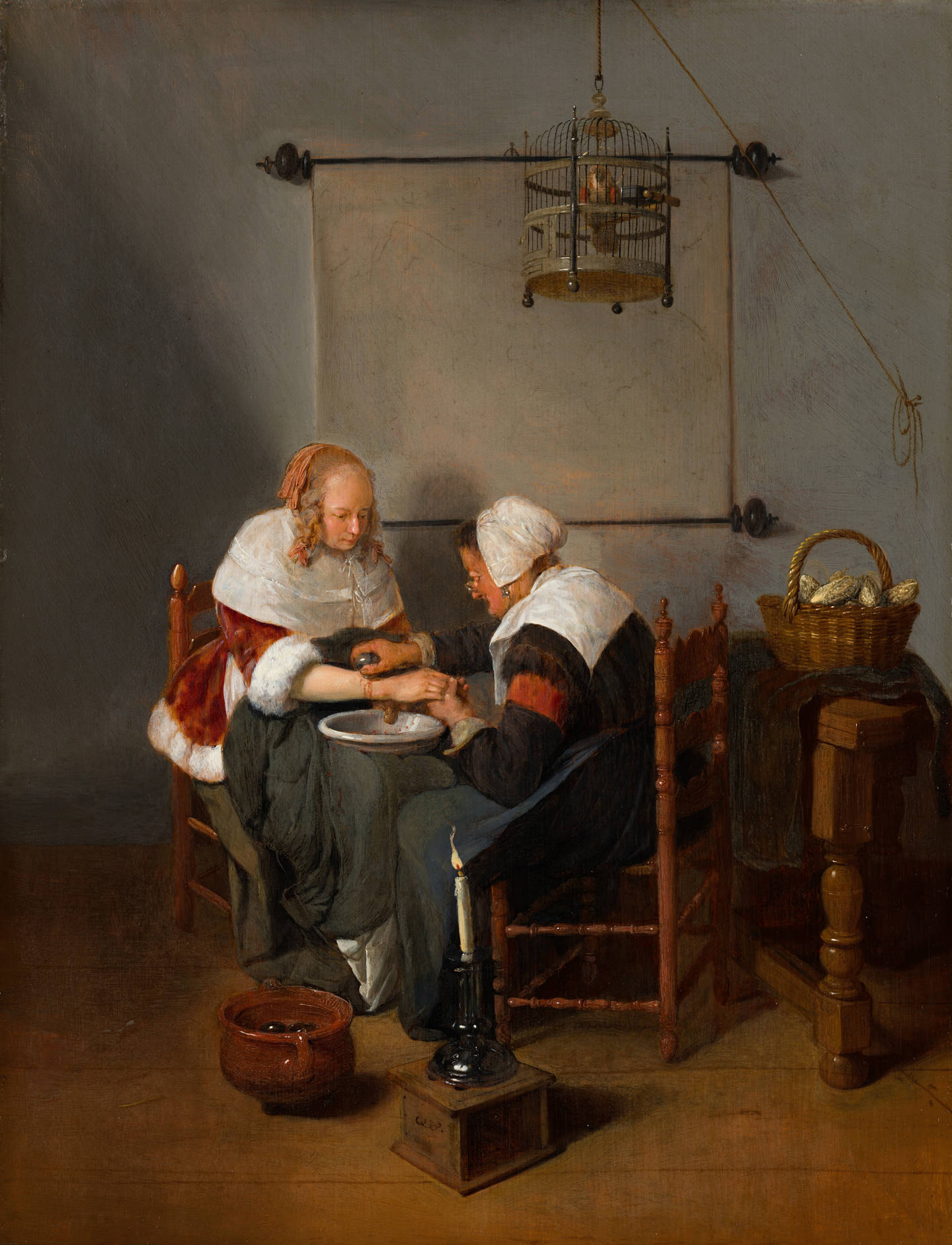
For much of history, treatment options were limited. As the story of Madame L. illustrates, doctors could often recognise cancer but had few effective ways to treat it. They experimented with remedies such as poultices, herbal preparations, and bloodletting, but these rarely altered the course of the disease. Surgery was usually a last resort, yet painful, dangerous, and performed before the introduction of modern anaesthesia. For most patients, a diagnosis of cancer offered little hope. Until the late 19th and early 20th centuries, it was more often than not a death sentence.
Figure 2: Older woman performing a bloodletting on a younger woman
A major turning point came in the late 19th century, as advances in medical science transformed the understanding of cancer. The widespread use of the microscope revealed that the body is made up of cells, allowing doctors to show that cancer was not a mysterious illness but a disease caused by the uncontrolled growth of abnormal cells.
One of Belgium’s most influential medical scientists was Jules Bordet (Figure 3). His pioneering research on the immune system laid the foundations for understanding how the body recognises and responds to abnormal cells, work that would much later contribute to the development of modern cancer immunotherapy. In recognition of his achievements, the Jules Bordet Institute, which opened in Brussels in 1935, was named in his honour.
These scientific advances also changed the way cancer was diagnosed and recorded. As the story of Madame L. illustrates, many cancers in the 19th century were only recognised when they had reached an advanced stage. Earlier cancers often went unnoticed, were mistaken for other diseases, or were never recorded at all.
By the end of the 19th century, researchers had also begun to understand how cancer spreads from one part of the body to another, a process known as metastasis. At the same time, doctors increasingly recognised that the risk of developing cancer was influenced by factors such as age, lifestyle, and occupation, laying the foundations for modern cancer epidemiology.
Figure 3: Dr. Jules Bordet with microscope

Figure 4: The chimney sweep

The first recorded example of an occupational cancer dates to 1775, when the English surgeon Percivall Pott described an unusually high number of cases of scrotal cancer among chimney sweeps (Figure 3). After years of exposure to soot and poor working conditions, these workers faced a much greater risk of developing the disease. It was the first clear evidence that a person’s occupation could increase their risk of cancer. Pott’s discovery marked the beginning of more than two centuries of research into occupational cancer. Today, it is estimated that around one in ten cancers is linked to exposures in the workplace.
The 20th century brought even more advances. The discovery of X-rays revolutionised the diagnosis of many diseases, while radiotherapy introduced a new way of treating cancer. For the first time, there was growing optimism that some cancers could not only be treated but also detected early, and perhaps even prevented.
New treatments such as chemotherapy further improved patients’ chances of survival. At the same time, screening programmes transformed cancer detection. The Papanicolaou test became available in the 1940s to detect cervical cancer at an early stage, colonoscopy became widely used from the 1960s, and mammography followed in the 1970s for breast cancer.
These innovations saved countless lives through earlier diagnosis and more effective treatment. They also meant that cancers that might once have remained undetected were now diagnosed and recorded, contributing to the rise in the number of reported cancer cases during the 20th century.
Cancer mortality over time
Cancer has been recorded in Belgium’s national mortality statistics for 1851–1869 and continuously since 1903 (Figure 4). When nationwide cause-of-death registration began in 1851, cancer was a relatively uncommon recorded cause of death, accounting for around 1% of all deaths. Today, it is one of Belgium’s leading causes of death, responsible for more than 1 in 4 deaths.
The earliest national statistics distinguished only a handful of cancers, including those of the mouth, stomach, uterus, and breast, alongside a broad category for all other cancers.
Local records were often much more detailed. In Antwerp, for example, death registers already recorded cancers of the skin, liver, intestines, rectum, tongue, bladder, brain, pancreas, bones, and many other organs well before 1851.
As medical knowledge advanced, so did the way cancers were classified. Successive revisions of the International Classification of Diseases (ICD) reflected a growing understanding that cancer is not a single disease but a large group of different diseases affecting specific organs and tissues.
Lung cancer provides a good example. Before 1900, it was rarely recognised as a distinct diagnosis and it was usually included under broader categories of cancer. As doctors became better able to identify tumours in the lungs, it received its own category in the fourth edition of the ICD. In other words, improved diagnosis and classification made lung cancer literally visible in the statistics. Today, it is one of the most common and deadliest forms of cancer.
This process continues even today. The number of recognised cancer categories expanded from only a few dozen in the earliest classifications to nearly 150 categories in ICD-10. Today, the World Health Organization recognises more than 1,000 distinct types of cancer, depending on the level of diagnostic detail.
Figure 5: The rise in the share of cancer deaths between 1851 and 2023
Source: Documents statistiques and Annuaire statistique, 1851-1869; State Archives Brussels, Mouvement de la population, 1903-1976; STATBEL, 1969-2023; calculations by the author.
Figure 5 shows a particularly sharp increase in recorded cancer mortality during the 1950s. This rise was not simply because more people developed cancer. It also reflected major improvements in the way cancer was diagnosed and recorded. As medical knowledge advanced, doctors became much better at recognising different types of cancer.
At the same time, Belgium introduced confidential medical certification of the cause of death, requiring physicians to record the medical cause of death confidentially. As a result, illnesses that might previously had been recorded under vague causes such as old age were increasingly identified as specific cancers.
Interestingly, the importance of medical confidentiality was already recognised much earlier. In the case of Madame L., for example, the physician protected her identity by referring to her only by her initial, allowing the case to be published while preserving her privacy.
Better diagnosis, however, tells only part of the story. From the late 19th century onwards, profound changes in lifestyles, working conditions, and environmental exposures also altered the cancer burden.
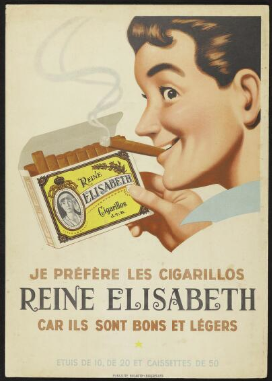
One of the clearest examples is smoking. During the first half of the 20th century, cigarette smoking became widespread, particularly among men. Combined with increasing industrial and traffic-related air pollution, this contributed to a sharp rise in lung and several other cancers. The much higher cancer mortality among men from the 1960s onwards can largely be explained by the generations of men who began smoking during and after the two World Wars.
Not all cancers followed the same trend. Some became less common, while others increased. Stomach cancer illustrates how improvements in living conditions can reduce cancer risk. The widespread adoption of the refrigerator transformed the way food was preserved. As fresh food became more widely available, people relied less on salting and smoking, reducing long-term damage to the stomach lining and contributing to a steady decline in stomach cancer mortality.
By contrast, changes in diet had less favourable effects for other cancers. During much of the 20th century, increased consumption of processed foods, sugar, fat, and alcohol contributed to rising rates of colorectal and several other cancers. Together, these examples show that cancer trends are shaped by a complex interaction between medical progress, technological change, and the ways people live, work, and eat.
Figure 6: The mid-20th century brought widespread smoking
Which cancers were counted in Belgium
Cancer has been recorded in Belgium’s national mortality statistics since 1903. Before then, although doctors were familiar with the disease – as the story of Madame L. illustrates – it was not consistently registered as a separate cause of death across the country. Many cancers were grouped with other, less specific diseases or remained unrecognised.
This is reflected in the public health priorities of the time. During the 19th century, infectious diseases and child mortality dominated everyday life. The national mortality statistics devoted far more attention to infants, children, and young adults than to older age groups, illustrating that chronic diseases such as cancer were not yet considered a major public health concern.
When cancer was first introduced into the national statistics, it was recorded under a single broad category: cancer et tumeurs malignes (Figure 7). Using one general category helped create more consistent national statistics at a time when diagnostic practices varied widely between Belgium’s more than 2,000 municipalities, many of which had no resident physician.
From 1955 onwards, Belgian mortality statistics began to distinguish between different types of cancer (evolution 10 most common cancers). This marked an important step towards the modern understanding of cancer as a diverse group of diseases rather than a single condition and made it possible to study long-term trends for individual cancer types.
Figure 7: Cancer by age group
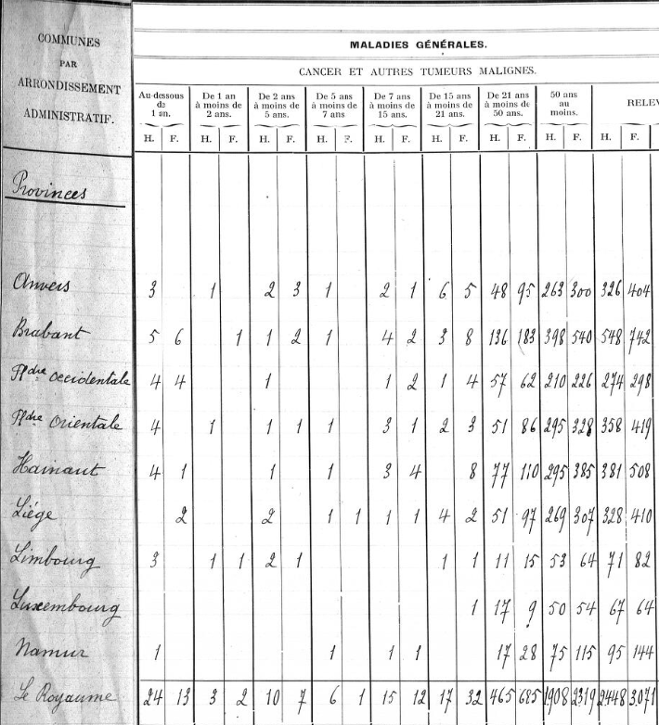
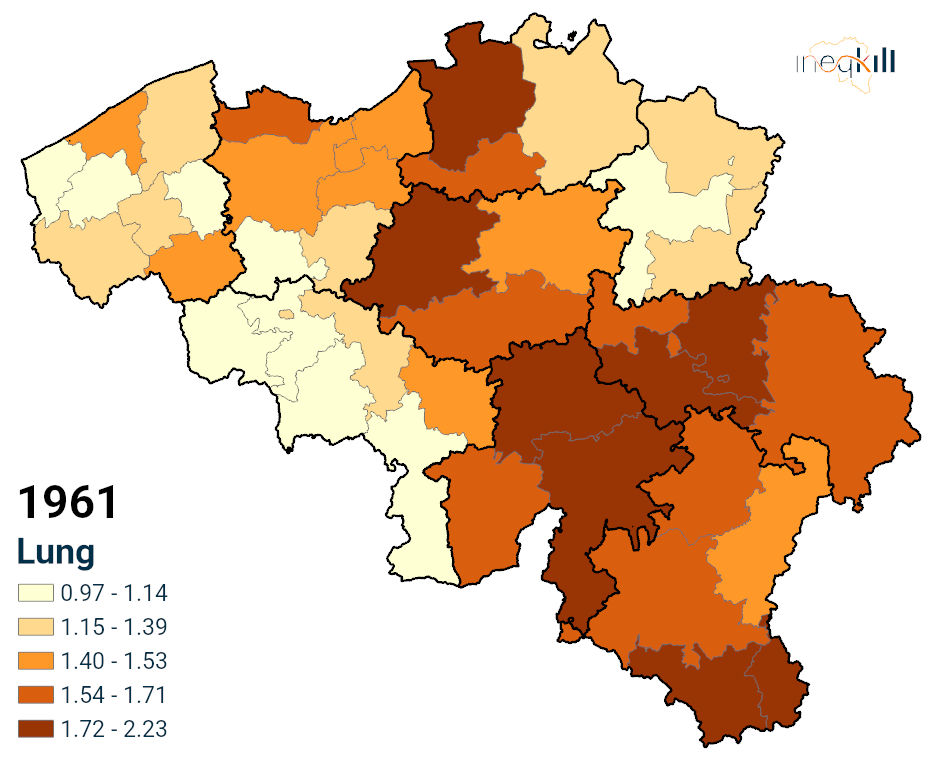
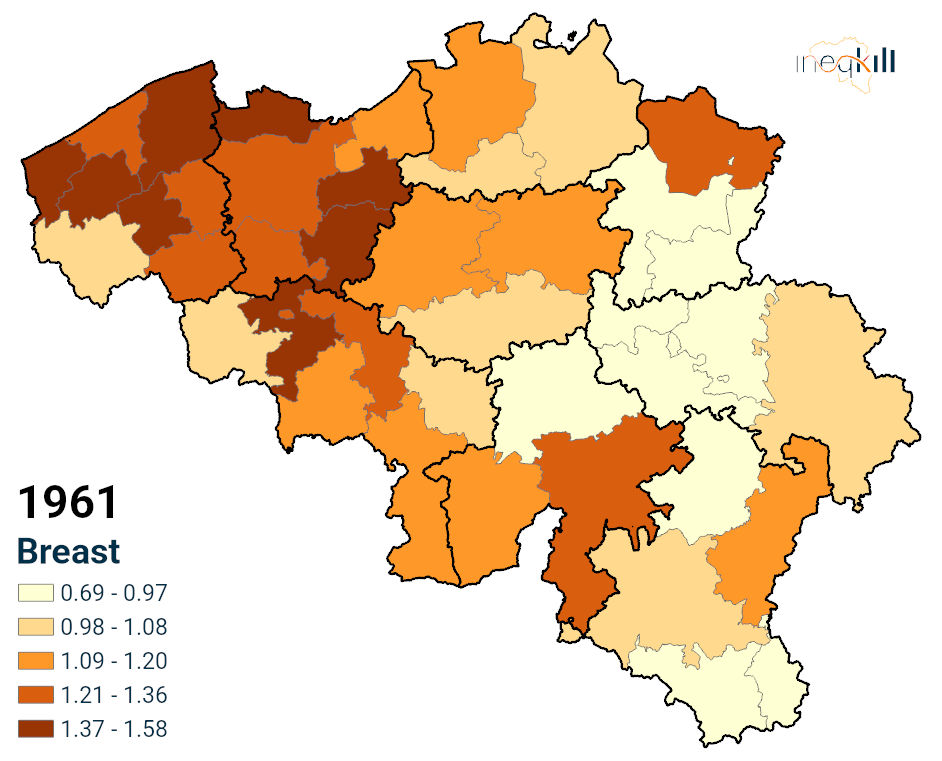
Figure 8 : Stomach, lung and breast cancer in 1961
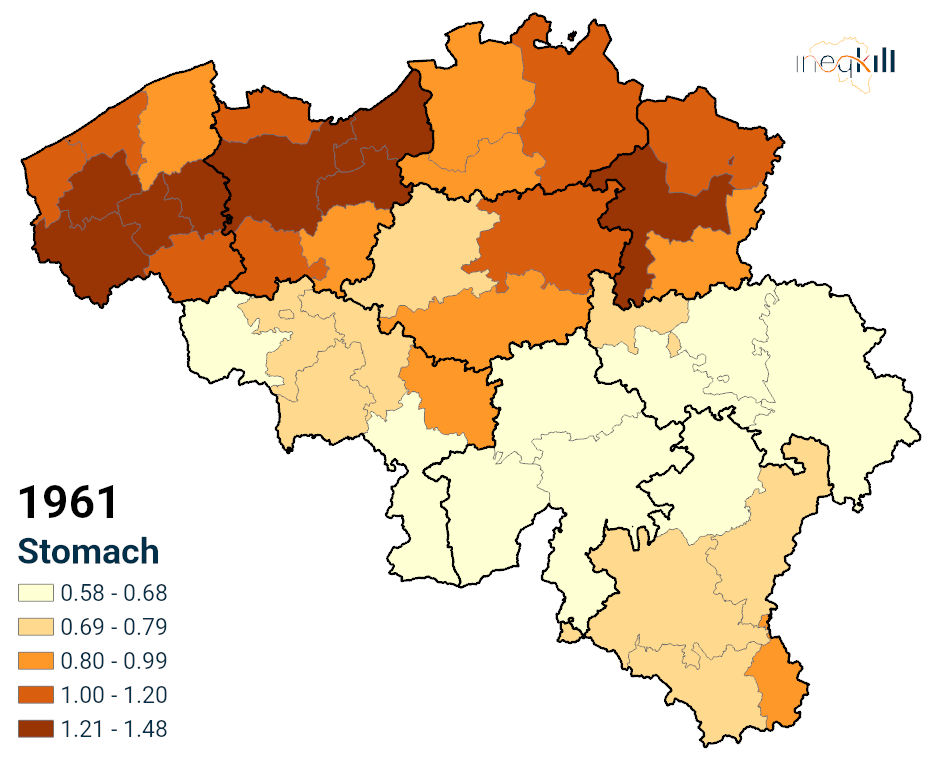
Source: STATBEL, Mortality databases; calculations by the author.
Until the mid-1960s, stomach cancer was the most common cause of cancer death in Belgium. Thereafter, the picture changed markedly. Lung cancer became the leading cancer among men, while breast cancer became the most common cancer among women.
This shift reflects a broader transition in the types of cancer affecting the population. During the 19th century and the early decades of the 20th century, cancers linked to infections – such as stomach, liver, and cervical cancer – were relatively common. Infections caused by Helicobacter pylori, Human papillomavirus, and hepatitis viruses were more widespread in a society characterised by poor sanitation, overcrowding, and limited medical care.
As hygiene, living conditions, and public health improved, these infection-related cancers gradually declined. At the same time, cancers associated with ageing, lifestyle, and environmental exposures – including lung, breast, prostate, and pancreatic cancer- became increasingly common. By the late 1960s, these non-infectious cancers had become the dominant forms of cancer, although infection-related cancers never disappeared completely and remain important today.
These changing patterns were not only visible over time but also across Belgium. As shown in Figure 8, different types of cancer were concentrated in different regions of the country. These geographical differences reflect regional variations in living conditions, diet, occupations, urbanisation, environmental exposures, and health behaviours.
Spatial patterns of cancer over time
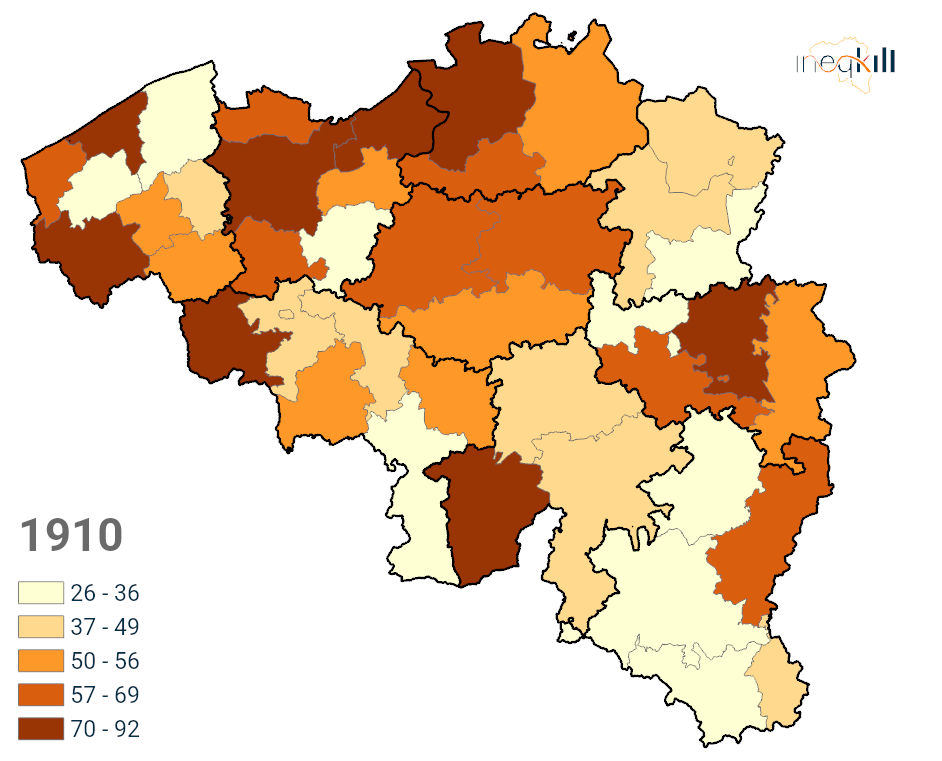
Cancer has never affected all parts of Belgium equally. Maps of cancer mortality (Figures 9 and 10) show that the risk of dying from cancer has consistently been higher in some districts than in others.
During the first half of the 20th century, above-average cancer mortality was concentrated in northwestern Belgium, particularly in East Flanders and West Flanders. These patterns may partly reflect long-standing dietary habits, such as the high consumption of salted foods, which has been linked to stomach cancer.
Higher mortality was also found around major urban centres, including Antwerp, Brussels, and Liège. However, the geography of cancer was never simply a matter of cities versus the countryside. Some rural districts also experienced elevated mortality, suggesting that local living conditions, environmental exposures, and access to medical care all played an important role.
From the 1970s onwards, these geographical patterns began to change. Higher mortality became more common in parts of Wallonia and Limburg, while several districts in Flanders that had previously recorded high mortality moved closer to, or even below, the national average.
At the same time, the maps for men and women started to diverge. Whereas their geographical patterns had been broadly similar earlier in the century, they became increasingly different after the 1970s. Among men, high mortality shifted eastwards, largely reflecting regional differences in smoking. Among women, higher mortality remained concentrated along the Antwerp–Ghent–Brussels corridor, the Belgian coast, and several districts in southern Belgium.
Importantly, these geographical differences did not always reflect differences in cancer risk itself. During the early 20th century, districts with higher mortality were not necessarily poorer, more industrialised, or less educated. Instead, much of the variation reflected differences in how deaths were diagnosed and recorded. Whether a district had resident physicians, the level of medical knowledge available, and local practices for certifying causes of death all influenced whether a death was recognised as cancer.
Only from the mid-20th century onwards, when cancer prevention, diagnosis, and treatment improved, did clearer social and environmental inequalities emerge. Education increasingly influenced people’s ability to prevent cancer, recognise symptoms, and seek timely medical care. Districts with higher levels of literacy generally experienced lower cancer mortality after World War II, while areas with large industrial workforces faced higher risks, reflecting the long-term effects of occupational exposure to carcinogens in factories, mines, and heavy industry.
These changing geographical patterns illustrate how cancer mortality has been shaped not only by biology, but also by medicine, education, work, and the environments in which people live.
Cancer Mortality in Belgium
Figure 9: Women
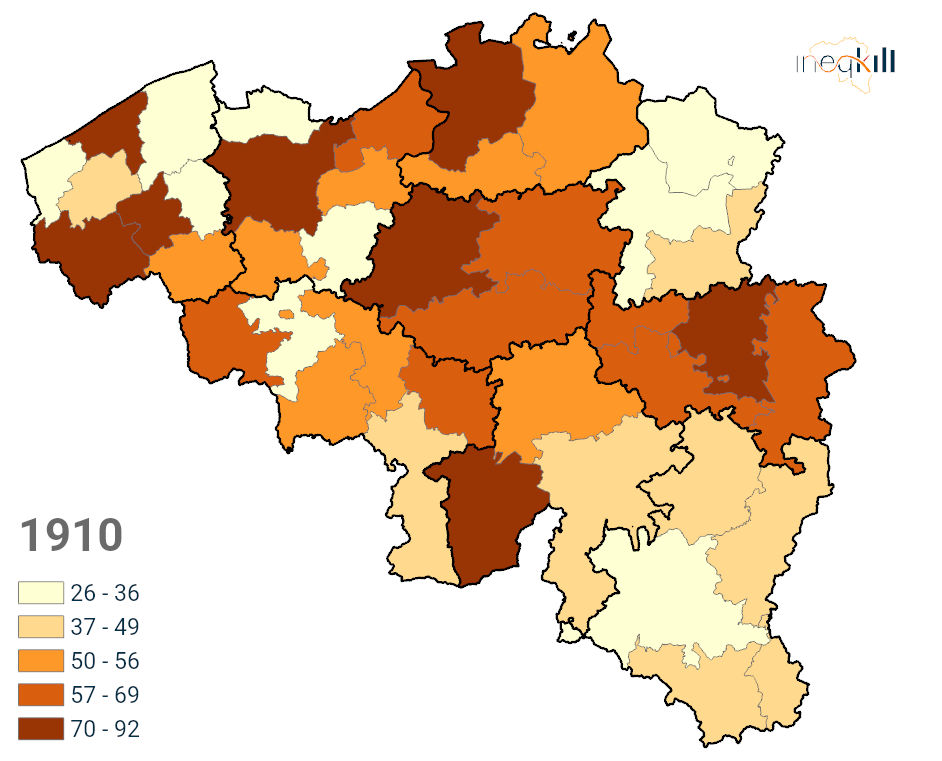
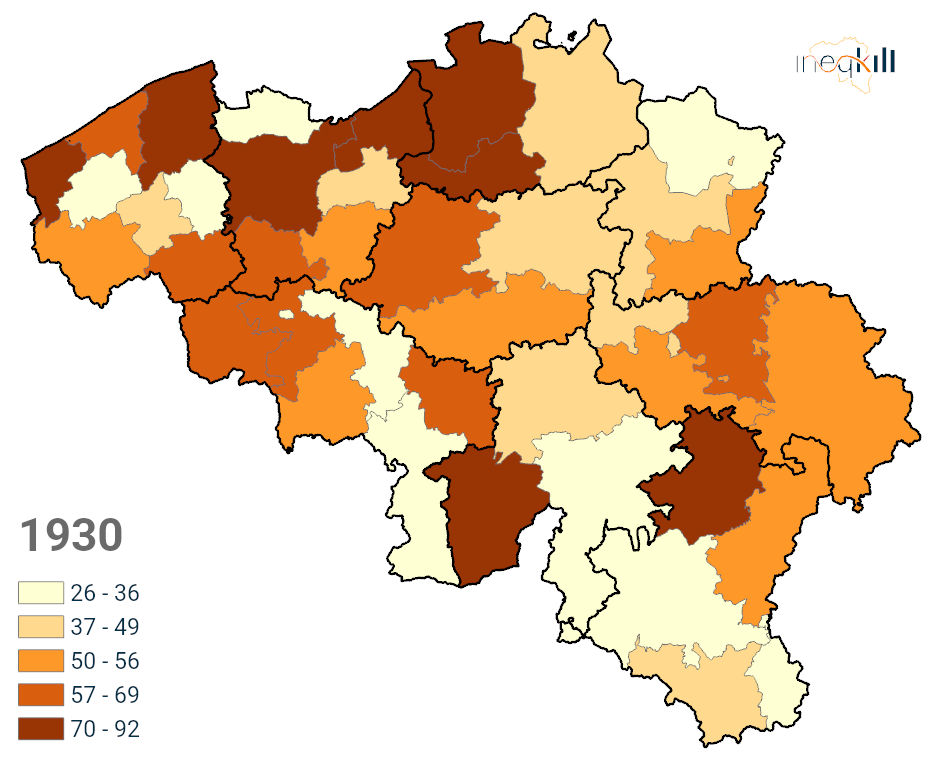
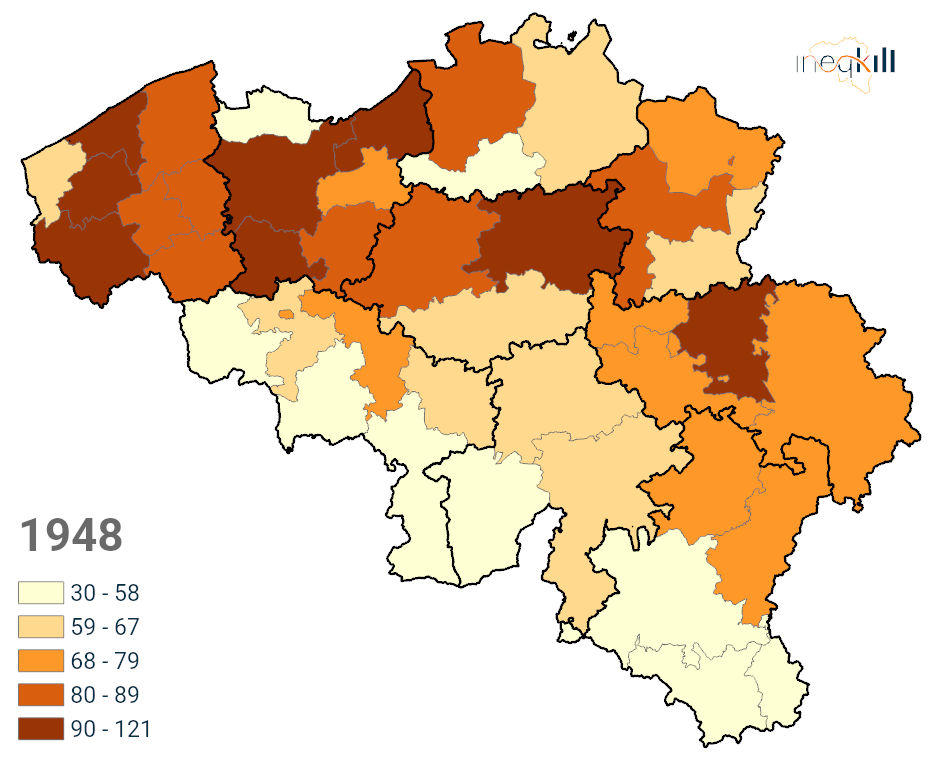
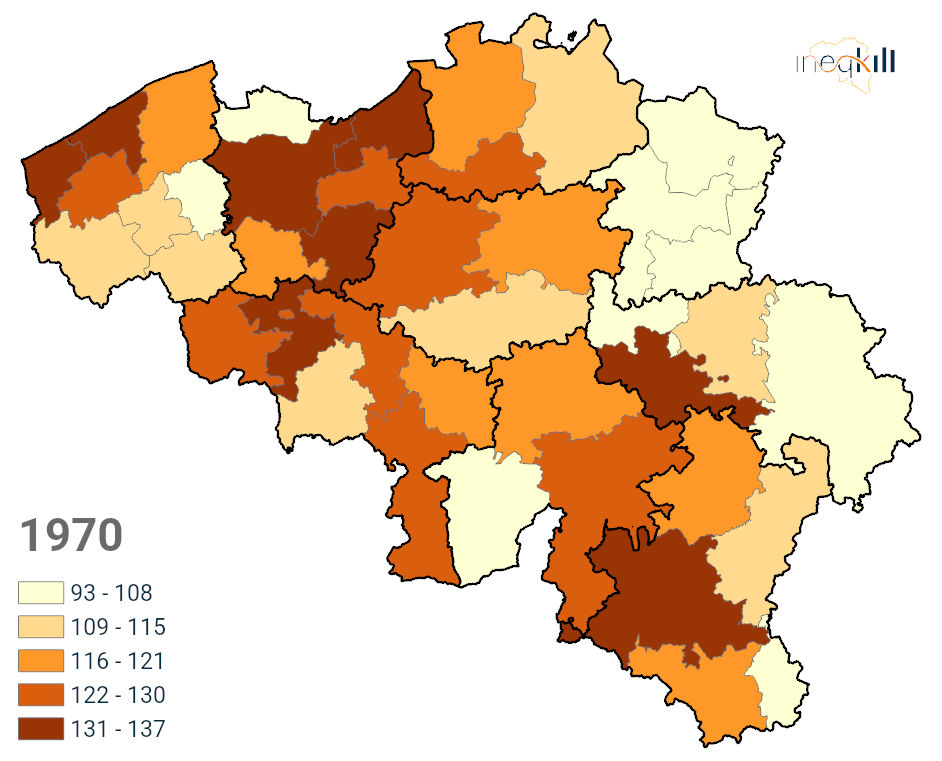
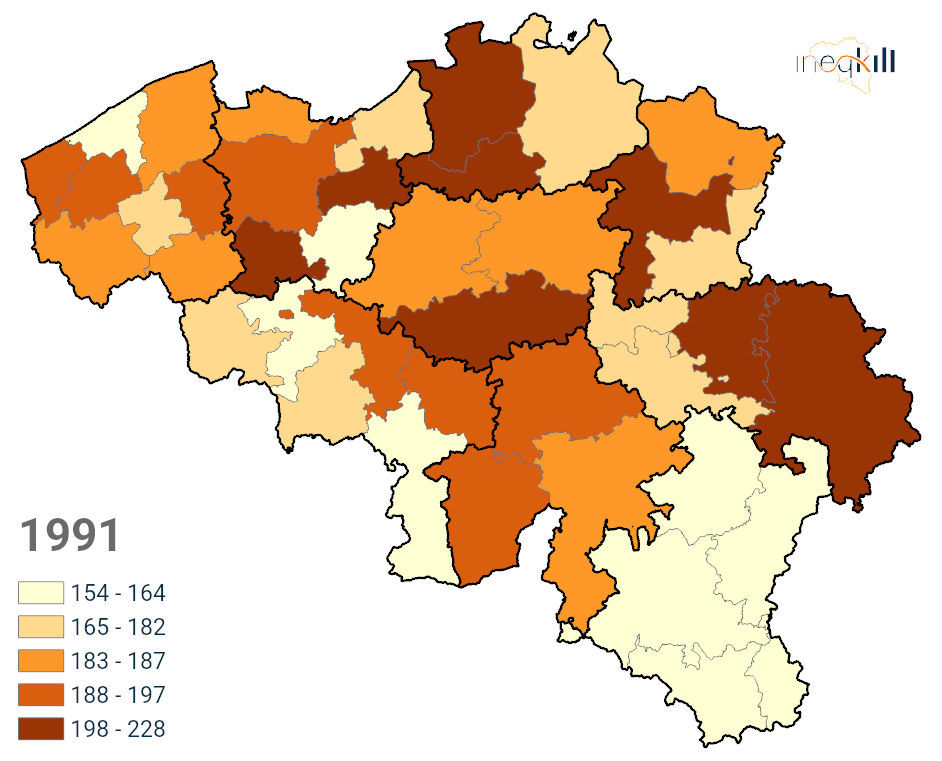
Figure 10: Men
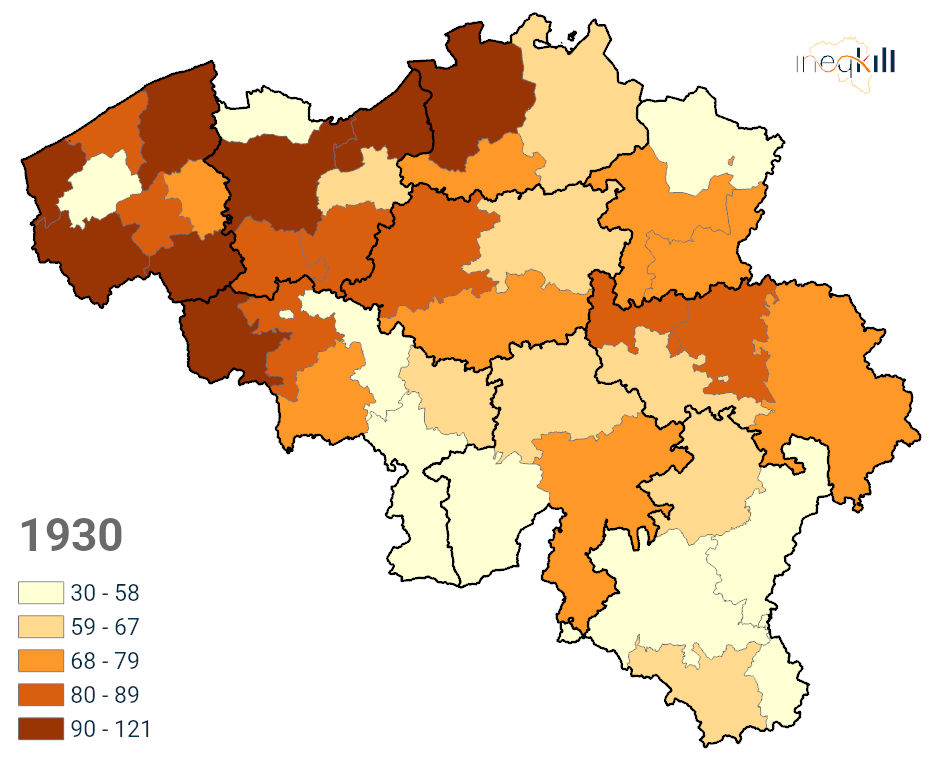
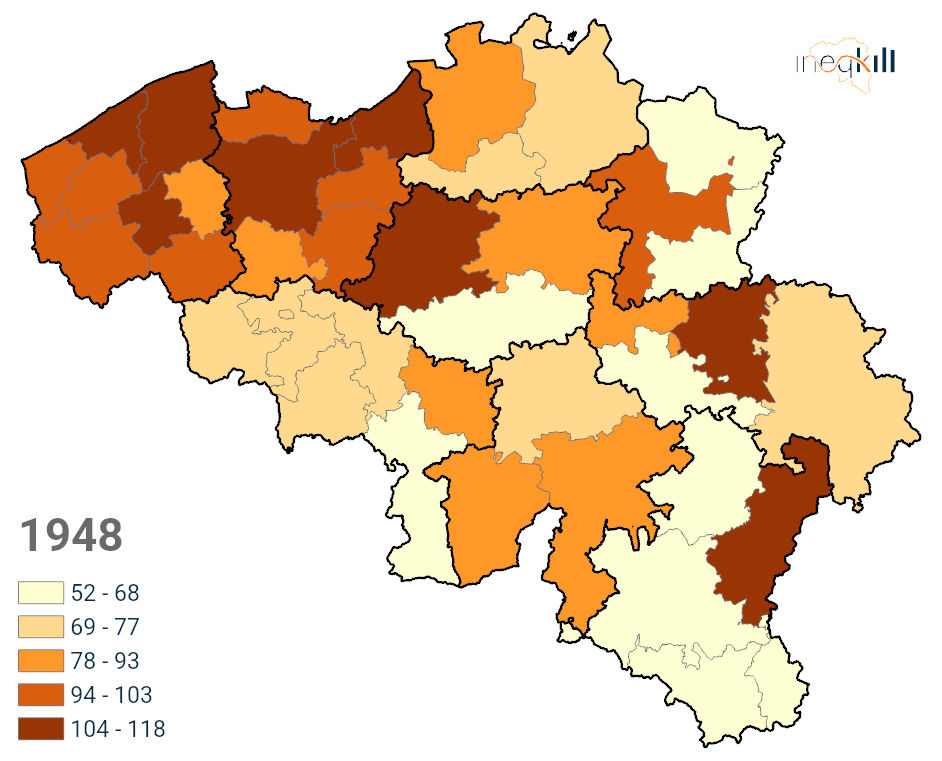
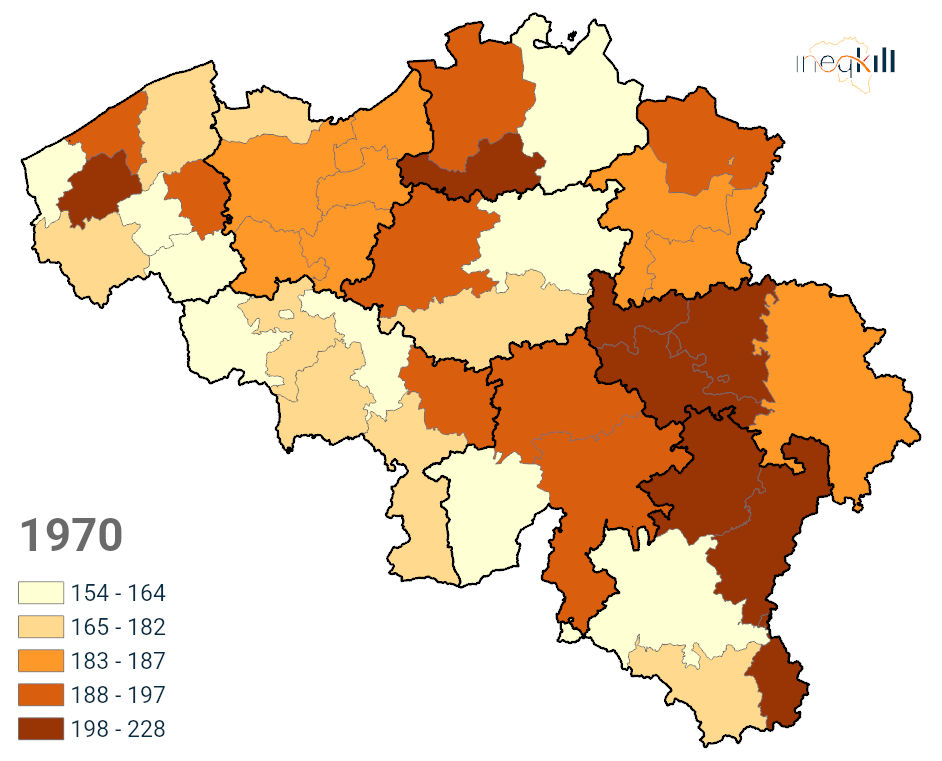
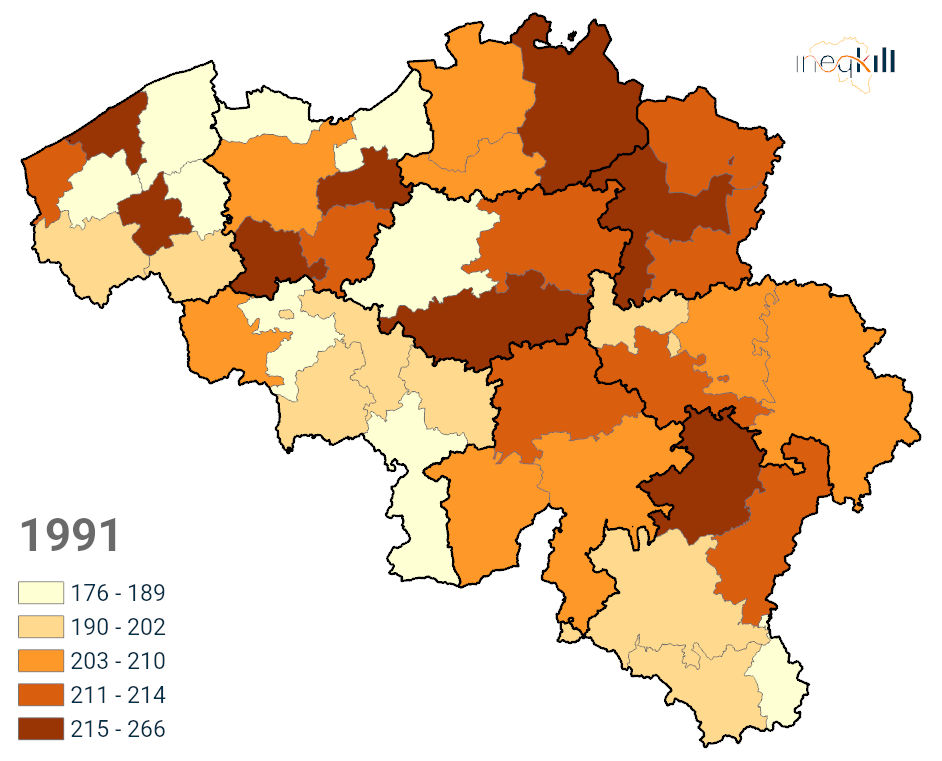
Standard Mortality Ratios
Source fig. 9-10: State Archives Brussels, Mouvement de la population, 1910-1948; STATBEL, Mortality databases, 1970-1991; calculations by the author.
About the maps:
To compare cancer mortality fairly over time and between regions, all figures have been adjusted for differences in age and population size. This means that the effects of population ageing and population growth have already been taken into account. As a result, the maps show where the risk of dying from cancer was relatively higher or lower, independent of how old the population was or how many people lived there.
Our publications
- Paeps, P., Devos, I., Gadeyne, S., Vrielinck, S. & Wiedemann, T. (2024). Tracing the tumors: navigating challenges in mapping cancer trends across twentieth-century Belgium. Space, Populations, Societies, 2023/3-2024/1. (https://doi.org/10.4000/12tpv).
- Paeps, P., Devos, I., & Gadeyne, S. (forthcoming). Explaining cancer’s whereabouts: determinants of cancer mortality across Belgian districts, 1910-1991.
- Paeps, P., Devos, I., & Gadeyne, S. (forthcoming). How including the cancer transition inverted the social gradient in Antwerp (1820-1946).
Read more
- Arnold-Forster, A. (2020). Mapmaking and mapthinking: cancer as a problem of place in nineteenth-century England. Social History of Medicine, 33(2), 463-488.
- Bracke, M., Lardon, F., & Vandenberghe, P. (2011). Kanker biomedisch bekeken. Antwerpen: Standaard Uitgeverij.
- Hajdu, S.I. (2016). Pathfinders in oncology from ancient times to the end of the Middle Ages. Cancer, 122(11), 1638-1646.
- Hajdu, S.I. (2017). Pathfinders in oncology from the end of the Middle Ages to the beginning of the 19th century. Cancer, 123(11), 1888-1897.
- Mukherjee, S. (2011). The emperor of all maladies: a biography of cancer. London: Fourth Estate.
- Wagener, D.J.Th. (2010). De geschiedenis van de oncologie. Houten: Bohn Stafleu van Loghum.
Data sources
- Annales de la Société de Médecine d’Anvers, 1845.
- State Archives Brussels, Mouvement de la population et de l’état civil, 1903-1976.
- STATBEL, Databases DEMOBEL and Mortality, 1969-2023.
- Ghent University – Quetelet Center, Databases HISSTER and LOKSTAT.